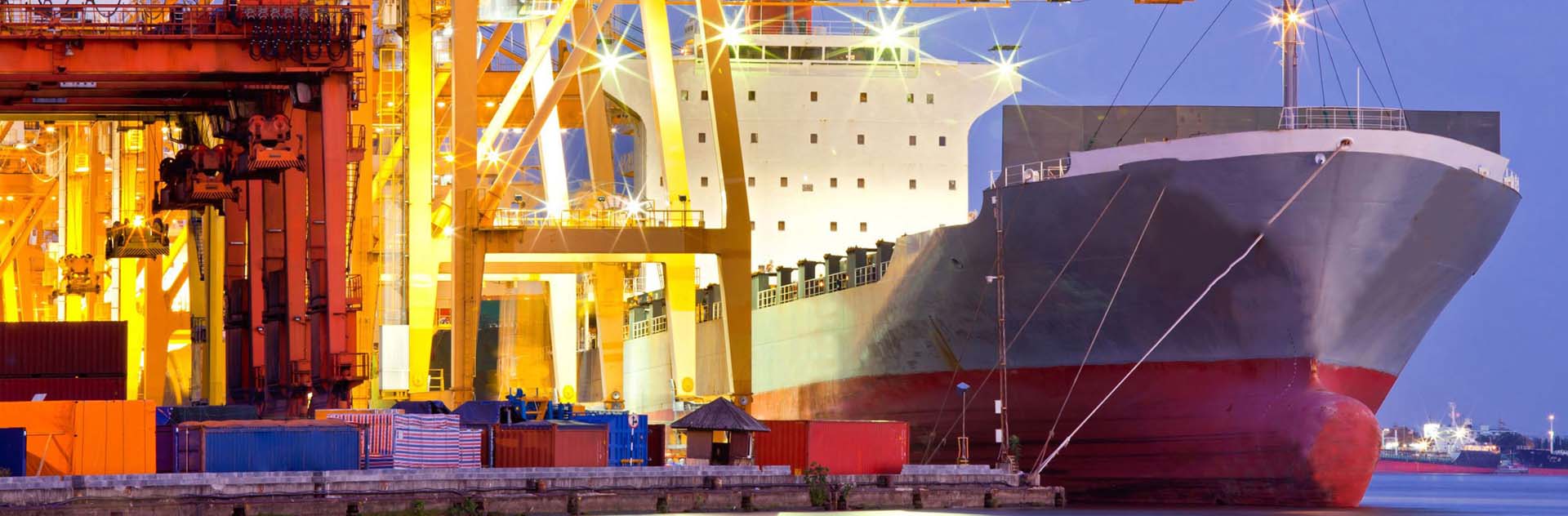
At around 3 a.m. on the 8th, a very large crude carrier (VLCC) fully loaded was attacked by armed pirates boarding the ship in the public waters of the eastern anchorage of Singapore (EOPL, approximately at 01°51.9N 104°42.5E). Seven armed pirates used ladders to board the ship from the left stern, which was six meters freeboard. One of them held a gun and the other held a long knife. After boarding the ship, control the crew and cut off the distress signal, and cut off dozens of cables such as the ship's communication system and VDR. Kidnap the captain and demand fuel and cash.
This is the first malignant boarding ship hijacking incident that has occurred in this sea area since it was silent for more than a year. The pirates ordered the captain to open the safe and search for the cash. They found no cash available in the safe and questioned the captain. The captain explained that due to the long period of anchoring, there was no petty cash on board. Subsequently, the captain was kidnapped to the stern and the fuel from the barge was demanded to be transferred to his barge; otherwise, the captain would be thrown into the sea. The captain pretended to cooperate for safety. As the pirate fuel tanker was late to arrive, around 6:40, as the sky gradually brightened, fearing that their whereabouts might be exposed, the pirates fled in a hurry without obtaining the fuel.
During this period, the pirate gang separately searched the crew members' rooms and robbed them of cash and valuable items. Three of the crew members were injured. After the accident, the company urgently dispatched boats to the shore for medical treatment.

The occurrence of this incident highlights the further deterioration of the anchorage safety environment in this sea area. The crew members reported that the pirates were very likely from Malaysia. After the pirate ship left, it also headed north (towards Malaysia). From the entire course of the incident, it can be seen that the pirates were a gang that was very familiar with the nature of the ships anchored in this sea area, especially targeting the "shadow fleet". They clearly seized on the feature that non-compliant vessels dare not report cases and committed the crime openly.
In light of this accident, taking into account the background of the event and the characteristics of the attack,
It is recommended that the following preventive measures be taken
1. Utilize radar and AIS systems to monitor the movements of surrounding vessels in real time and issue early warnings for approaching unmarked or suspicious vessels.
2. Anti-climbing nets or wire mesh should be laid in areas with low freeboard such as the ship's side and stern, or movable obstacles (such as oil drums or chains) should be set up at the edge of the low freeboard, and alarm devices should be installed. When triggered, they will automatically emit sound and light warnings.
3. At night, turn on the high-intensity searchlights to cover the entire area around the ship and eliminate blind spots. Strengthen night deck patrol and duty, equip with infrared night vision devices, thermal imagers and other equipment, enhance night monitoring capabilities, and issue early warnings for suspicious targets.
4. Control of key areas
Reserve funds and valuable items should be stored separately in multi-layered encrypted storage boxes to avoid centralized placement.
Metal protective covers or concealed passages should be installed on the lines of each system in the communication equipment cabin as much as possible to reduce the risk of exposed lines being cut.
5. Multiple communication link backups are provided, equipped with independent communication devices such as satellite phones and Beidou emergency terminals, complementing maritime satellite phones to ensure that external communication can still be maintained when the main communication system is damaged.
6. Rapid response process: Develop the "Anti-Piracy Emergency Operation List", clearly defining the standardized process of "detecting suspicious vessels → activating alarms → cutting off unnecessary power sources → enabling backup communication", and conduct monthly drills. Conduct a simulated boarding drill, with a focus on training the "non-resistance principle" : when crew members are attacked, they should prioritize hiding to avoid direct confrontation. If there is an escape pod, they can gather in it to contact the outside world and wait for rescue.
7. Establish a joint defense mechanism with nearby anchored merchant ships, share the real-time location information of suspicious small boats, and request support from nearby vessels immediately when attacked.
This is the first malignant boarding ship hijacking incident that has occurred in this sea area since it was silent for more than a year. The pirates ordered the captain to open the safe and search for the cash. They found no cash available in the safe and questioned the captain. The captain explained that due to the long period of anchoring, there was no petty cash on board. Subsequently, the captain was kidnapped to the stern and the fuel from the barge was demanded to be transferred to his barge; otherwise, the captain would be thrown into the sea. The captain pretended to cooperate for safety. As the pirate fuel tanker was late to arrive, around 6:40, as the sky gradually brightened, fearing that their whereabouts might be exposed, the pirates fled in a hurry without obtaining the fuel.
During this period, the pirate gang separately searched the crew members' rooms and robbed them of cash and valuable items. Three of the crew members were injured. After the accident, the company urgently dispatched boats to the shore for medical treatment.
The occurrence of this incident highlights the further deterioration of the anchorage safety environment in this sea area. The crew members reported that the pirates were very likely from Malaysia. After the pirate ship left, it also headed north (towards Malaysia). From the entire course of the incident, it can be seen that the pirates were a gang that was very familiar with the nature of the ships anchored in this sea area, especially targeting the "shadow fleet". They clearly seized on the feature that non-compliant vessels dare not report cases and committed the crime openly.
In light of this accident, taking into account the background of the event and the characteristics of the attack,
It is recommended that the following preventive measures be taken
1. Utilize radar and AIS systems to monitor the movements of surrounding vessels in real time and issue early warnings for approaching unmarked or suspicious vessels.
2. Anti-climbing nets or wire mesh should be laid in areas with low freeboard such as the ship's side and stern, or movable obstacles (such as oil drums or chains) should be set up at the edge of the low freeboard, and alarm devices should be installed. When triggered, they will automatically emit sound and light warnings.
3. At night, turn on the high-intensity searchlights to cover the entire area around the ship and eliminate blind spots. Strengthen night deck patrol and duty, equip with infrared night vision devices, thermal imagers and other equipment, enhance night monitoring capabilities, and issue early warnings for suspicious targets.
4. Control of key areas
Reserve funds and valuable items should be stored separately in multi-layered encrypted storage boxes to avoid centralized placement.
Metal protective covers or concealed passages should be installed on the lines of each system in the communication equipment cabin as much as possible to reduce the risk of exposed lines being cut.
5. Multiple communication link backups are provided, equipped with independent communication devices such as satellite phones and Beidou emergency terminals, complementing maritime satellite phones to ensure that external communication can still be maintained when the main communication system is damaged.
6. Rapid response process: Develop the "Anti-Piracy Emergency Operation List", clearly defining the standardized process of "detecting suspicious vessels → activating alarms → cutting off unnecessary power sources → enabling backup communication", and conduct monthly drills. Conduct a simulated boarding drill, with a focus on training the "non-resistance principle" : when crew members are attacked, they should prioritize hiding to avoid direct confrontation. If there is an escape pod, they can gather in it to contact the outside world and wait for rescue.
7. Establish a joint defense mechanism with nearby anchored merchant ships, share the real-time location information of suspicious small boats, and request support from nearby vessels immediately when attacked.
CONTACT US
Head office
Rm 1601, Zhongnan Mansion, No.185,
Shenzhen Road,
Qingdao, China
Phone:+86-532-68653367
Email:sales@goldbaymarine.com
Website: www.goldbaymarine.com
Shenzhen Road,
Qingdao, China
Phone:+86-532-68653367
Email:sales@goldbaymarine.com
Website: www.goldbaymarine.com
Athens office